Pipette Calibration Using a Balance

ISO 8655 Compliant Pipette Calibration and Routine Testing Services, Systems, and Equipment

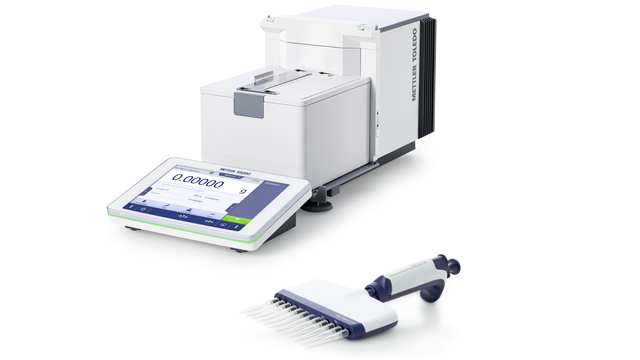
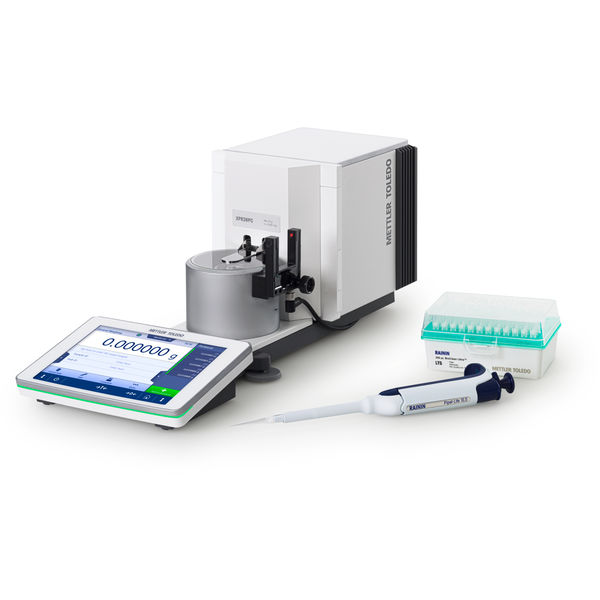
Featured Device: XPR105MCP for Multichannel Pipettes

Pipette performance verifications according to ISO 8655 are essential to ensure your liquid handling precision instrument is working accurately.

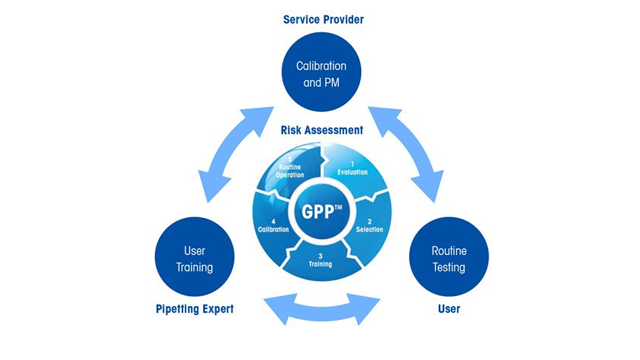
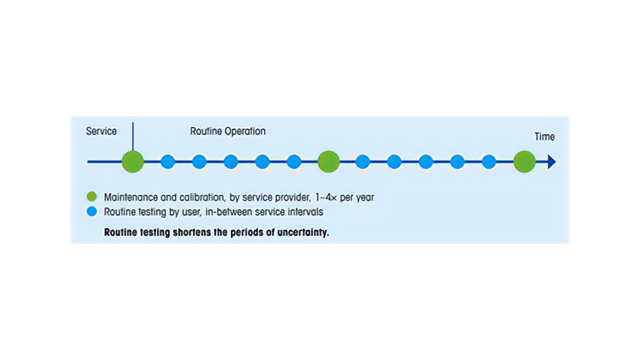
To maintain consistent accuracy of pipetted volumes, pipettes should be calibrated and tested regularly. Pipette calibration is usually performed by a specialized service provider, who will provide a calibration certificate that includes an assessment of the pipette’s measurement uncertainty. In the intervals between calibrations, routine pipette testing carried out by the user ensures a pipette continues to perform according to its specifications. A simple routine test quickly confirms that the instrument is still fit for its intended use and drastically reduces risks of out-of-tolerance (OOT) results.

How does weighing relate to pipette performance?

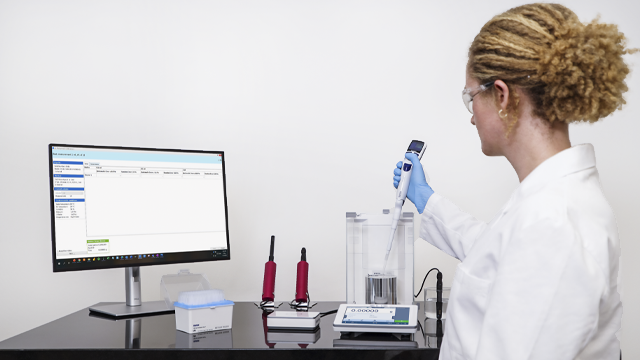
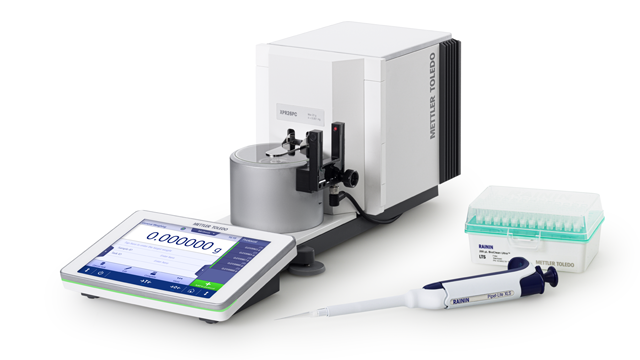
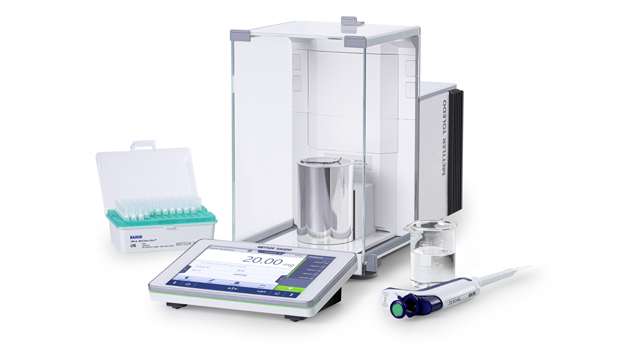
One of the most important methods for checking pipette performance is using a balance to weigh the liquid delivered by the pipette. The volume of the liquid is then calculated and compared to the expected value. The International Organization of Standardization (ISO) details the requirements for the gravimetric reference measurement procedure for the determination of volume. ISO 8655-6 includes minimum requirements for balances according to the nominal volume of the pipette under test. ISO updated the standard for piston-operated volumetric apparatuses (POVA) in 2022.

Calibration of Pipettes Using a Balance

The Challenges of the Pipette Calibration Workflow and Solutions

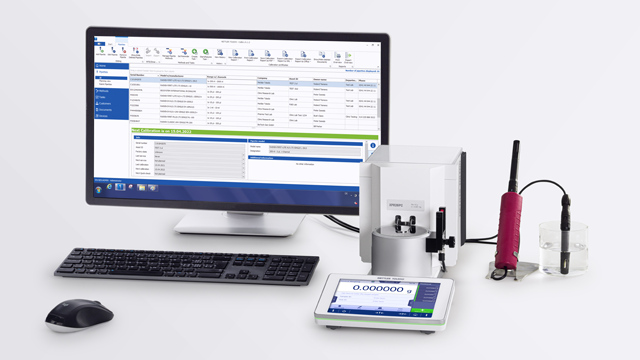
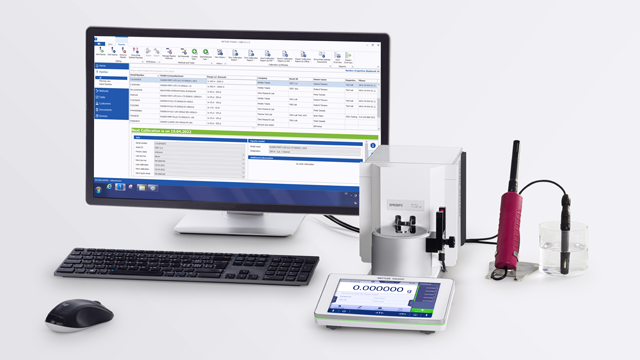
Calibry Software for Pipette Calibration

Explore More Content

Determining a Pipette's Accuracy

Determining a Pipette's Accuracy

How Do You Determine the Accuracy of a Pipette?

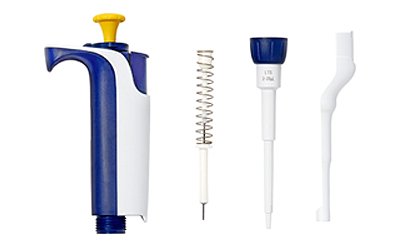
Pipette Choice and Maintenance

Pipette Choice and Maintenance

Best Practice Matters

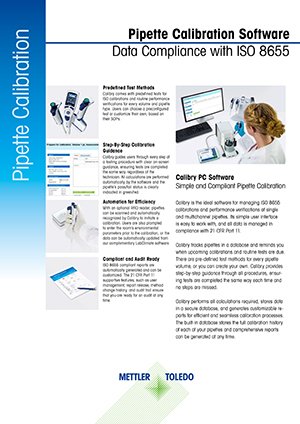
Pipette Calibration Software Datasheet

Pipette Calibration Software Datasheet

Simple and Compliant Pipette Calibration

Frequently Asked Questions

What is pipette calibration?

Pipette calibration is a process that determines the expected volume with the actual volume delivered by a pipette together with the associated measurement uncertainty by an accredited institution. The purpose is to prove if the pipette is still within its manufacture or ISO8655 specifications to deliver accurate results. Pipettes out of tolerance can often be serviced, adjusted and re-calibrated.

Why is pipette calibration important?

Pipette calibration shows the difference between the expected and actual volume, which shall be within a given tolerance. If it is outside the tolerance, it could potentially lead to incorrect analytical results. Consequently, experimental results would not be reproducible and entire analyses might need to be redone. To detect an out-of-tolerance pipette early, it is recommended that users check pipette accuracy at regular intervals between calibrations.

Why is it important to test pipettes in-between service intervals?

Up to 35% of pipettes sent to a service provider for calibration are out-of-specification. If your pipette is one of these, you may need to investigate which previous analyses could have been affected by this error. How can you avoid this in the future? Performing regular pipette quick checks uncovers any malfunctions early and eliminates surprises at your next calibration service.

What’s a quick way to check pipette accuracy?

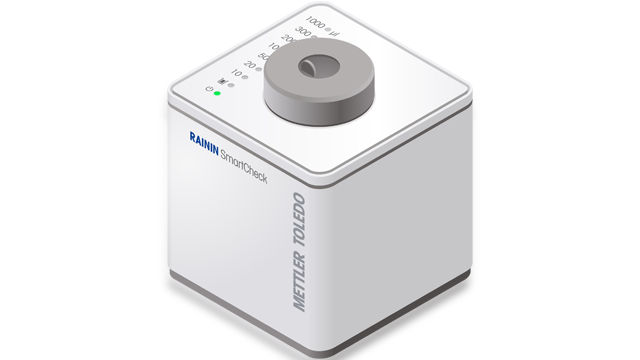
Pipette accuracy shall be checked regularly between calibrations to avoid out-of-tolerance results between calibrations. Our SmartCheck device is designed specifically for quick tests—simply pipette 4 dispenses into the SmartCheck at your selected process tolerance, and the SmartCheck will indicate pass/fail results with a simple green/red light.

What are two procedures for calibrating multichannel pipettes?

There are two acceptable methods for calibrating and testing multichannel pipettes:

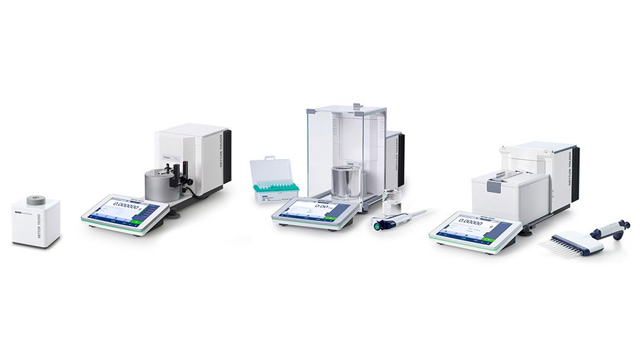
  1. Each channel can be measured individually, one after another, with a single-channel pipette calibration balance. For this purpose, test liquid is aspirated by all channels together and collected from one channel at a time.
  2. multichannel pipette calibration balance can be used to measure the test volume delivered from all channels in parallel by aspirating and emptying each channel simultaneously and analyzing each channel’s results individually. 

I want to…
Need assistance?
Our team is here to achieve your goals! Speak with our experts.