ASTM C refers to a set of standards established by ASTM International that pertain to building and construction materials. The ASTM C standards cover a wide range of materials, including concrete, cement, bricks, aggregates, roofing materials, insulation, and many others. These standards provide guidelines and procedures for testing and evaluating the properties of these materials, such as compressive strength, durability, water absorption, and fire resistance. They are used by manufacturers, builders, architects, and regulatory agencies to ensure that building materials meet established safety and performance standards. ASTM C standards also help to promote consistency and quality in the construction industry by providing a common language and framework for testing and evaluating building materials. This can help to ensure that buildings are safe, durable, and able to withstand the stresses of their environment.
ASTM C25-19
Chemical Analysis of Limestone, Quicklime, and Hydrated Lime (Mn, Ph, Fe Photometrically)
ASTM C25-19 is a standard test method for the photometric determination of manganese (Mn), phosphorus (Ph), and iron (Fe) in limestone, quicklime, and hydrated lime. The method involves dissolving a sample of the material in acid and reacting it with specific reagents to form colored complexes, which are measured using a photometer. This analysis provides valuable information for assessing the quality of these materials for various applications.
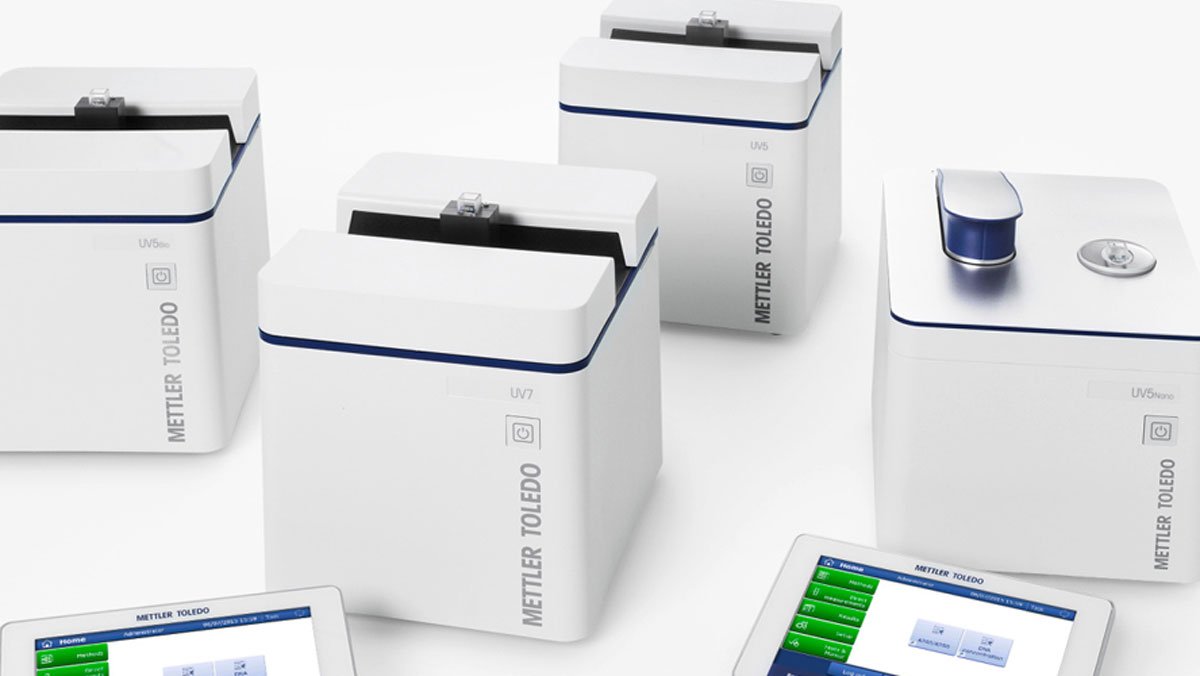
Compatible Devices: EasyPlus UV/VIS and UV/VIS Excellence Spectrophotometer
ASTM C867-94(2022)
Standard Test Method for Soluble Sulfate in Ceramic Whiteware Clays (Photometric Method) (2025)
The ASTM Method C867-94(2022) is a standardized test procedure designed to determine soluble sulfate ions in water or filtrate samples using photometric analysis. By measuring the turbidity caused by precipitated barium sulfate, this method provides a reliable control test for sulfate presence in various materials such as clays and clay-water slurries. It includes detailed protocols for photometer standardization and requires precise laboratory equipment to ensure accuracy. Ideal for quality control rather than quantitative sulfate analysis, ASTM C867-94(2022) is essential for industries monitoring sulfate ion contamination in aqueous environments.
Compatible Devices: EasyPlus UV/VIS and UV/VIS Excellence Spectrophotometer
ASTM C1307-21
Plutonium Assay by Plutonium (III) Diode Array Spectrophotometry
ASTM C1307-21 is a standard test method for the assay of plutonium by plutonium (III) diode array spectrophotometry. The method involves reducing plutonium to the (III) state, forming a colored complex, and measuring the intensity of the color using a diode array spectrophotometer. This analysis provides valuable information for assessing the level of plutonium contamination in various materials and environments.