實驗室自動化

實驗室自動化解決方案

我們一系列實驗室自動化系統和自動化儀器有助於簡化實驗室流程,幫助實驗室操作員簡化程序,並提高安全性與生產力。進一步瞭解。

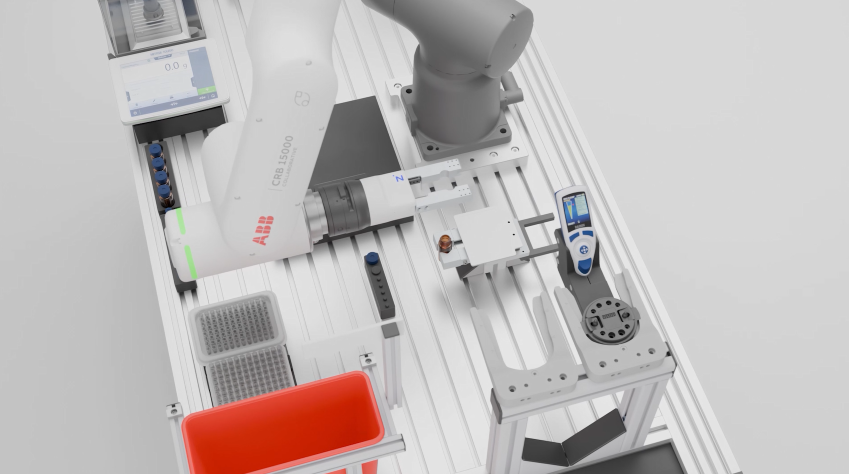
ABB MT Collaboration Lab Automation Robot

A Fresh Approach to Lab Automation

Are you tired of the slow pace and errors that can come with manual lab work? Do you want to speed u...

紫外可見分光度計自動化指南

紫外可見分光度計自動化指南

在本指南中,詳細瞭解可能的紫外可見分光度計自動化以及如何選擇正確的自動化解決方案,並獲取有關工作流程設置的提示和技巧。

滴定自動化指南 - 執行自動化的原因,與經過證實的解決方案範例

自動滴定儀指南

自動滴定儀能自動重複執行相同製程,因此能提高生產力。深入瞭解相關的應用及商機。

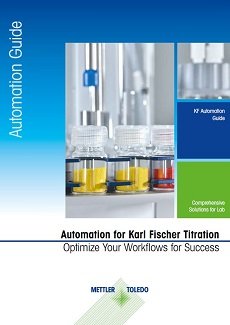
指南: 卡爾費雪滴定自動化

指南: 卡爾費雪滴定自動化

本指南規劃了全方位自動化卡爾費雪滴定方案,可幫助您簡化工作流程,讓原操作人員有多餘的時間處理其他任務。

熱分析自動化解決方案

熱分析自動化

瞭解我們的熱分析自動化解決方案如何減少工作量,提高工作流程的效率和可重複性。

熱分析自動化

熱分析自動化應用

在使用自動上護蓋穿孔技術進行分析前,請避免樣品水分含量發生變化。

On Demand Webinar – Automated pH Measurements

pH Calibration and Measurement Using an Automated System

Join our webinar to learn how using pH automation in the lab can improve the quality of results and...

Beverage Analysis with Density and Refractive Index Measurement

Beverage Analysis with Density and Refractive Index Measurement

Determination of Brix, pH and acidity and automatic degassing of carbonated beverages. Acid correcte...

AbbVie 自動化

AbbVie 自動化

這項簡報說明了 AbbVie 如何採用並徹底善用新的自動化技術來促進管線。

在下個新的常態中,徹底善用自動化與 PAT 技術

在下個新的常態中,徹底善用自動化與 PAT 技術

資深首席科學家 Shane Grosser 博士進行了一場簡報,主題是「在下個新的常態中,徹底善用自動化與 PAT 技術」(他任職於 Merck,公司地點為紐澤西州 Rahway 羅韋市)。

新冠肺炎時期化學研發實驗室之復甦

新冠肺炎時期化學研發實驗室之復甦

隨著實驗室面臨新的限制 (包括保持社交距離),科學家必須調整時間表及作法,這樣即使在實驗室內做實驗的時間縮短,也能維持生產力。 許多公司正利用自動化解決方案自動執行實驗,這些實驗具有相當豐富的資訊。...

ELISA方案的液體處理選項

ELISA方案的液體處理選項

ELISA 方案的液體處理選項是一本討論如何正確執行酶聯免疫吸附測定 (ELISA) 的指南。

1. What is the ABB and METTLER TOLEDO collaboration about?

The collaboration between ABB and METTLER TOLEDO focuses on integrating advanced robotic automation with precision measurement technologies to enhance laboratory efficiency, accuracy, and innovation. This partnership aims to provide laboratories with proven, scalable solutions that streamline workflows, improve productivity, and support compliance with regulatory standards.

2. How does automation improve laboratory efficiency?

Automation reduces manual intervention by handling repetitive tasks, which minimizes human error and accelerates processes. By automating routine workflows, laboratories can use ABB’s robots, cobots, and METTLER TOLEDO's instruments. This automation leads to higher throughput and improved accuracy. It also allows for better resource utilization. As a result, scientists can focus on critical research and value-added activities.

3. What types of tasks can ABB robots perform in laboratories?

ABB offers a wide range of robotic hardware and software. This portfolio allows automation of many tasks. These tasks include sample preparation, liquid handling, machine tending, and transporting material with Autonomous Mobile Robots.

ABB robots and cobots use future-proof OmniCore controllers. These controllers enable automation for almost any application in the lab. They provide robust motion control to ensure consistently accurate movement. ABB provides more than just robots. They offer a wide range of software to simulate, refine, and execute automation. They also provide top-tier after-sales support and service. This support ensures the systems work smoothly.

4. How do METTLER TOLEDO instruments support quality and compliance?

METTLER TOLEDO instruments are designed with built-in quality assurance features and traceability. They provide accurate measurements and generate comprehensive audit trails that support compliance with industry regulations, such as 21 CFR Part 11, ensuring data integrity and reliability.

5. What types of METTLER TOLEDO instruments can be automated?

METTLER TOLEDO offers a wide range of instruments that can be automated to enhance laboratory efficiency and accuracy. These include:

  • Balances: precise weighing of all samples sizes, including fully automated powder and liquid dispensing solutions
  • Electronic pipettes: liquid transfer, dilutions, and sample preparation
  • Titrators: Potentiometric sample preparation and instrument tending § Karl Fischer Titrators: Sample preparation and autosampler tending (oven method)
  • pH, Conductivity, and Ion-Selective Meters with a wide variety of sensors.
  • Density and refractive index meters
  • UVVIS Spectrophotometers
  • Multparameter systems: Combine the instruments into one efficient system. Use a single workflow and unified data reporting.

6. Can ABB and METTLER TOLEDO solutions be customized for specific laboratory needs?

Yes. Both ABB and METTLER TOLEDO offer customizable automation solutions tailored to meet the unique requirements of individual laboratories. This flexibility allows facilities to integrate automation seamlessly into their existing workflows and infrastructure.

7. What is the expected impact of these technologies on the future of laboratory work?

The integration of robotics and advanced measurement technologies is shaping the future of laboratory work by enabling faster, more accurate results and fostering innovation. As laboratories adopt these solutions, they can anticipate enhanced collaboration, improved data analysis, and a significant boost in overall efficiency.

8. How can laboratories get started with automation?

Laboratories interested in automation should begin by assessing their current workflows to identify repetitive tasks suitable for automation. Next, they can reach out to ABB or METTLER TOLEDO for consultation and to explore tailored automation solutions that fit their specific needs and budgets.

9. How does METTLER TOLEDO software integrate with LIMS?

METTLER TOLEDO offers software solutions that can seamlessly connect with Laboratory Information Management Systems (LIMS). This integration allows for automatic data transfer, harmonized user management and ensures that your results directly recorded in the LIMS, ELN, QMS. This not only enhances data accuracy and traceability but also streamlines workflows by reducing manual data entry and potential errors.

10. Can METTLER TOLEDO instruments connect to Electronic Notebooks (ENB)?

Yes, METTLER TOLEDO instruments can be integrated with Electronic Notebooks (ENB) to facilitate better data management and documentation. Our software solutions allow for easy transfer of measurement data directly into ENB systems, enabling researchers to maintain accurate records of their experiments, streamline documentation processes, and enhance collaboration within their teams.

11. What are the benefits of connecting METTLER TOLEDO instruments to Quality Management Systems (QMS)?

Connecting METTLER TOLEDO instruments to a Quality Management System (QMS) offers several advantages, including improved compliance with industry standards, enhanced data integrity, and better quality control. By integrating our instruments with a QMS, laboratories can automatically log measurements, monitor instrument performance, and ensure that all processes adhere to quality protocols. This connectivity supports continuous improvement and helps maintain high-quality standards in laboratory operations.

12. How does LabX integrate with OmniCore from ABB for enhanced laboratory management?

LabX™ software seamlessly integrates with OmniCore™ from ABB, providing laboratories with a powerful solution for managing their analytical workflows. This integration allows users to efficiently control and monitor ABB’s automation systems with centralized data management, compliance support and streamlined operations through LabX Software. With this synergy, laboratories can automate their processes, ensure data integrity, and improve overall efficiency, all while benefiting from real-time access to critical information and analytics.

13. What are the benefits of implementing robotic laboratory workflows?

Implementing robotic laboratory workflows offers numerous advantages, including:

  • Increased Efficiency: Robotics can handle repetitive tasks faster than human operators, significantly reducing turnaround times and increasing throughput.
  • Enhanced Precision: Robots provide consistent and accurate results, minimizing human error and variability in experiments, which is crucial for obtaining reliable data.
  • Improved Safety: By automating hazardous tasks, such as handling toxic substances or operating in high-risk environments, robotic systems enhance laboratory safety for personnel.
  • Scalability: Robotic systems can easily be scaled to accommodate increased workloads or additional processes, allowing laboratories to adapt to changing demands without significant investment in new personnel.
  • Data Management: Many robotic workflows are integrated with data management systems, ensuring that all data generated is automatically recorded and easily accessible for analysis and reporting.
  • Resource Optimization: Automation allows laboratory staff to focus on more complex tasks that require human expertise, maximizing the use of skilled personnel and resources.

These benefits collectively lead to improved laboratory productivity, accuracy, and safety, making robotic workflows an attractive option for modern laboratories.

14. What are the benefits of using multiparameter systems in laboratories?

Multiparameter systems allow laboratories to perform simultaneous analyses across various parameters, enhancing efficiency and reducing the need for multiple systems. This integration simplifies data management and reporting, leading to quicker decision-making and increased productivity.

我想要…
Need assistance?
Our team is here to achieve your goals. Speak with our experts.