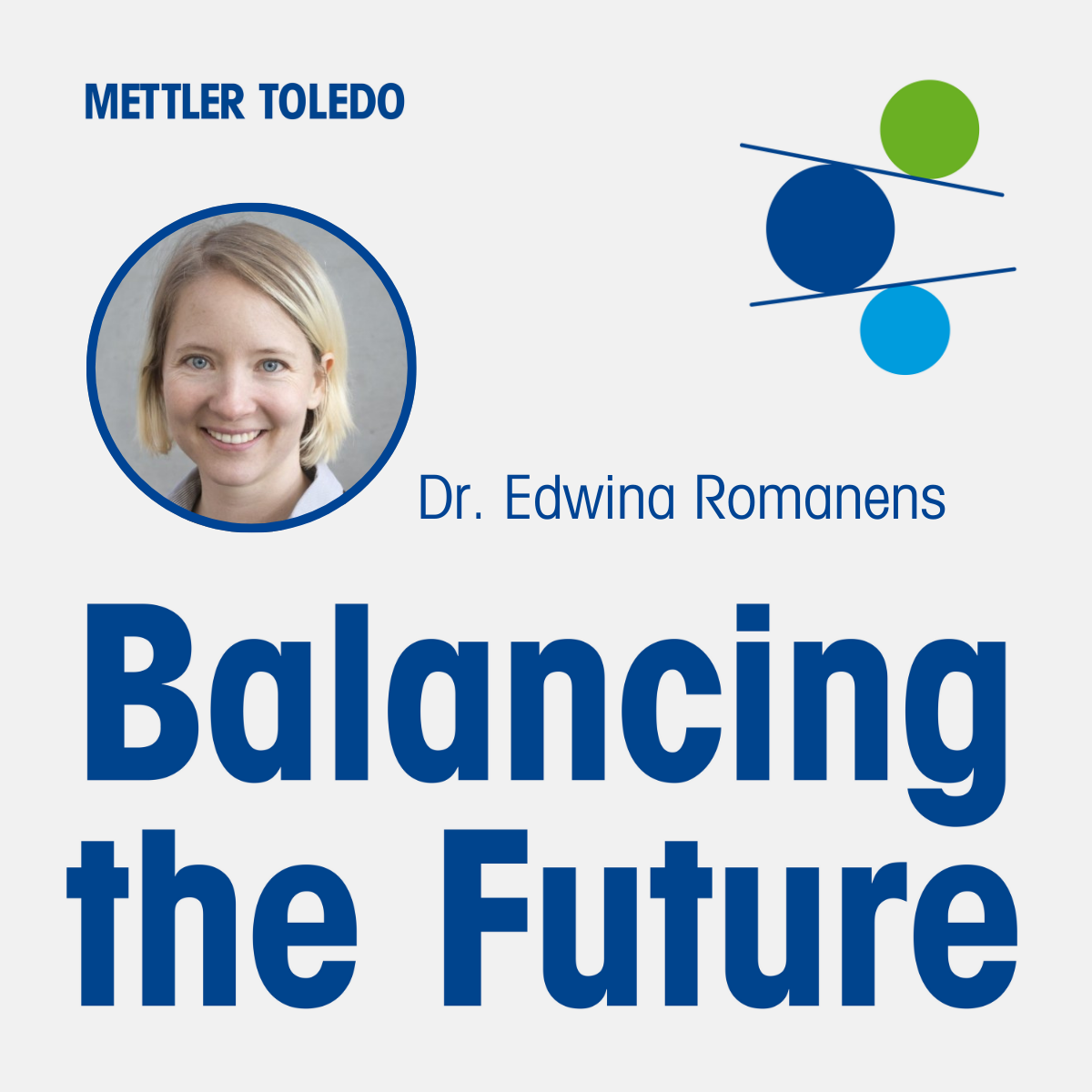
In this episode of Balancing the Future, hosts Micah Schweizer and Dana Clémençon delve into the fascinating world of biological research conducted aboard the International Space Station (ISS). Featuring Dr. Magdalena Herová, a biologist at the Swiss User Support and Operations Center for the European Space Agency, the discussion highlights the unique challenges and opportunities of experimenting in microgravity.
Dr. Herová shares her journey from completing a PhD in molecular biology to supporting scientific experiments on the ISS. She emphasizes the complexity of planning experiments that require meticulous detail, given that researchers only have one chance to get it right once their samples are in space. The conversation touches on how microgravity allows for innovative research, such as growing 3D cell cultures and studying muscle and bone loss in astronauts, which has significant implications for both space exploration and health issues on Earth.
Listeners will learn about the logistical aspects of getting experiments to the ISS, including the necessity of preparing living cell cultures right at the launch site to ensure their viability. Dr. Herová explains the importance of collaboration across international teams and various space agencies, underlining how space research can lead to advancements in sustainability—an increasingly vital consideration for both extraterrestrial missions and Earth’s environmental challenges.
The episode also explores the educational initiatives that inspire the next generation of scientists, showing how students can engage with real experiments conducted in space. Tune in to discover how biological research in space not only expands our understanding of life beyond Earth but also holds the potential to address pressing health and environmental issues here.
Listen to the episode now on your favorite streaming platform: Spotify, Apple Podcasts, YouTube.