






English
Melting and Dropping Point Calibration

Melting and Dropping Point Calibration Datasheet

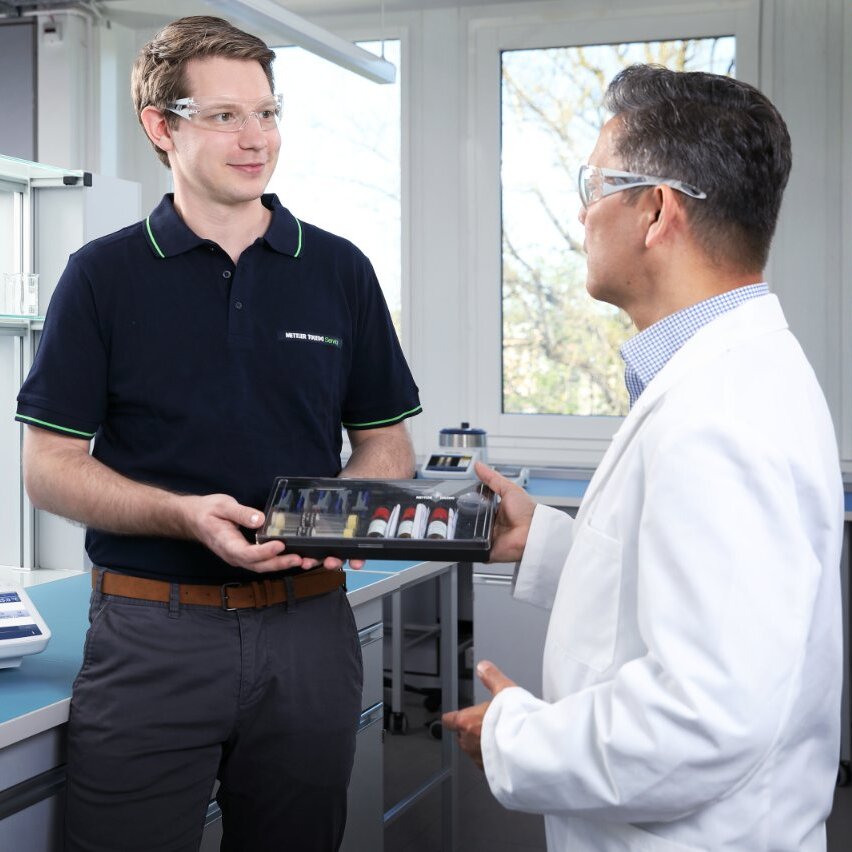
Ensure Result Accuracy and Compliance with Regulations

Good Melting and Dropping Point Practice™ Brochure

Good Melting and Dropping Point Brochure

Reliable Results for Melting, Dropping, and Softening Point

Melting and Dropping Point Performance Tests Guidelines

Melting and Dropping Point Performance Tests Guidelines

Melting and Dropping Point Standard Operating Procedures

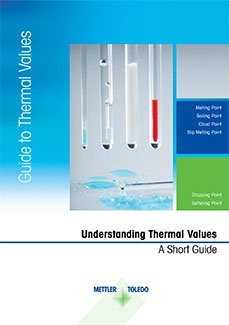
Guide to Understanding Thermal Values

Understanding Thermal Values

A Short Guide to the Determination of Melting Point, Boiling Point, Cloud Point, Dropping Point, and More

Do METTLER TOLEDO melting and dropping point instruments fulfill official standard methods?

Depending on the industry, application, and workplace, different standard organizations – such as ASTM, AOCS, ISO, and various Pharmacopoeias – stipulate standard reference methods for melting and dropping point (and more) determination.

View the most widely used methods, along with recommended instruments and models: Standard Finder for MP and DP

What are the common signs that indicate my melting and dropping point instrument needs professional servicing?

Signs that indicate your melting and dropping point instrument needs service include:

  • Inaccurate or irreproducible measurement results
  • Fails in temperature calibration/adjustment
  • Unusually slow heating or cooling cycles
  • Any residue buildup or contamination inside the instrument, i.e., furnace sample compartment/holes
  • Visible damage or wear
  • Error messages or software malfunctions

Regular performance verification and calibration can help to identify possible issues early. If you notice any of these signs, it’s advisable to consult a professional service.

How often should melting and dropping point instruments be serviced?

METTLER TOLEDO recommends a service interval of at least once a year to ensure accuracy and reliability. However, the frequency of servicing may vary depending on the instrument's usage and the operating environment.  

Regular preventive maintenance and calibration helps to maintain optimal performance and extend the instrument's lifespan.

Can I perform some maintenance myself?

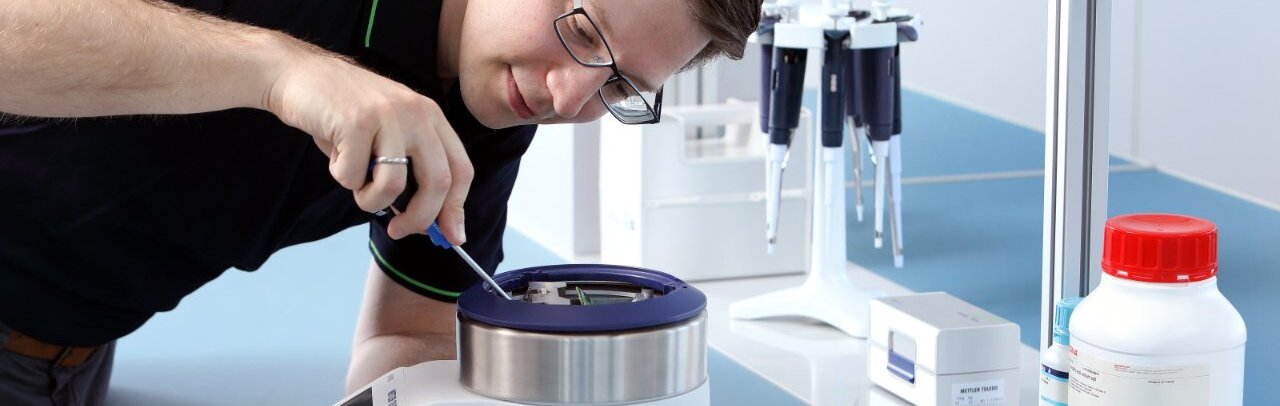
Yes, users can perform some routine maintenance tasks on melting and dropping point instruments to keep them functioning properly. These mainly include the cleaning of the instrument surface, sample holders, and surrounding areas to prevent any residue from building up, and handling samples carefully to avoid contamination.

Furthermore, regular performance verification by temperature calibration using certified reference standards is recommended. Finally, the user should regularly inspect the instrument for any visible damage or wear.

However, more complex maintenance, repairs, or calibration/adjustments should be performed by qualified service personnel.

I want to…
Need assistance?
Our team is here to achieve your goals! Speak with our experts.