What are the advantages of using an electronic pipette over a manual pipette?

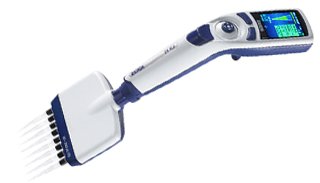
Electronic pipettes reduce hand strain, improve reproducibility, and make high-throughput or repetitive workflows easier by automating aspiration, dispensing, and mixing steps. They also eliminate manual aspiration and dispense rate variability.

How do you calibrate an electronic pipette?

Electronic pipettes are calibrated using the same industry-standard methods as manual pipettes, typically through gravimetric or photometric testing performed by trained technicians. Regular calibration verifies that the pipette dispenses accurate and consistent volumes across its entire range. Rainin makes this process easy with highly trusted service options and an exceptionally fast turnaround time.

What is the difference between single channel and multichannel electronic pipettes?

Single channel pipettes transfer liquid into one vessel at a time, while multichannel pipettes dispense across multiple wells simultaneously, increasing throughput. The choice depends on the relevant vessel format and workflow.

How accurate are electronic pipettes compared to manual pipettes?

Electronic pipettes generally provide higher accuracy and reproducibility because their motorized systems reduce user-dependent variation in plunger movement. Manual technique has more inherent variability, especially during repetitive tasks.

What types of liquids can be dispensed with an electronic pipette?

Electronic pipettes can handle a wide variety of liquids, including aqueous buffers, common laboratory solvents, solutions with mild viscosity, and temperature-variable liquids. Accuracy may vary depending on liquid properties, just as with manual pipettes.


When pipetting viscous or volatile liquids, reverse pipetting modes can increase accuracy. Positive displacement pipettes like the NanoRep electronic repeater have consistent performance across a very wide range of liquid types.

How do you clean and sterilize an electronic pipette?

Cleaning an electronic pipette usually involves wiping the exterior with mild detergents or disinfectants and occasionally removing the shaft or ejector components for a more thorough cleaning. Most models can tolerate routine exposure to common lab cleaning agents like 10% bleach, 70% ethanol, and UV light, although autoclaving depends on the specific design and manufacturer guidelines. We have created a lab poster with guidelines for cleaning Rainin pipettes.

What are the most common errors when using electronic pipettes and how can they be avoided?

Common pipetting errors often come from technique issues such as holding the pipette at an incorrect aspiration angle or immersing the tip too deeply, both of which can affect accuracy and reproducibility. Reviewing proper technique and following Rainin Good Pipetting Practice (GPP) guidelines can significantly reduce these problems.

electronic pipette

How do you troubleshoot common issues with electronic pipettes?

Most common issues like inconsistent volumes, dripping, or leaking usually come from tip fit problems, worn parts, or calibration drift rather than the electronics themselves. Making sure the correct tips are used and keeping up with routine calibration and pipette service will often fix the problem. Software issues are usually handled by checking the user manual or contacting technical support.

What safety precautions should be taken when using electronic pipettes?

Users should follow their institutional safety guidelines, including wearing appropriate PPE, avoiding over-immersion of the shaft, preventing aerosol generation, and handling hazardous liquids within biosafety guidelines. As with any pipette, proper tip disposal and routine cleaning are essential.

I want to…
Need assistance?
Our team is here to achieve your goals! Speak with our experts.