
.png.crop.5_212250.15_912276.89_973990.71_560329.1_7777777777777777.png/_jcr_content/renditions/cq5dam.web.1280.1280.png "diagram of semiconductor manufacturing process")
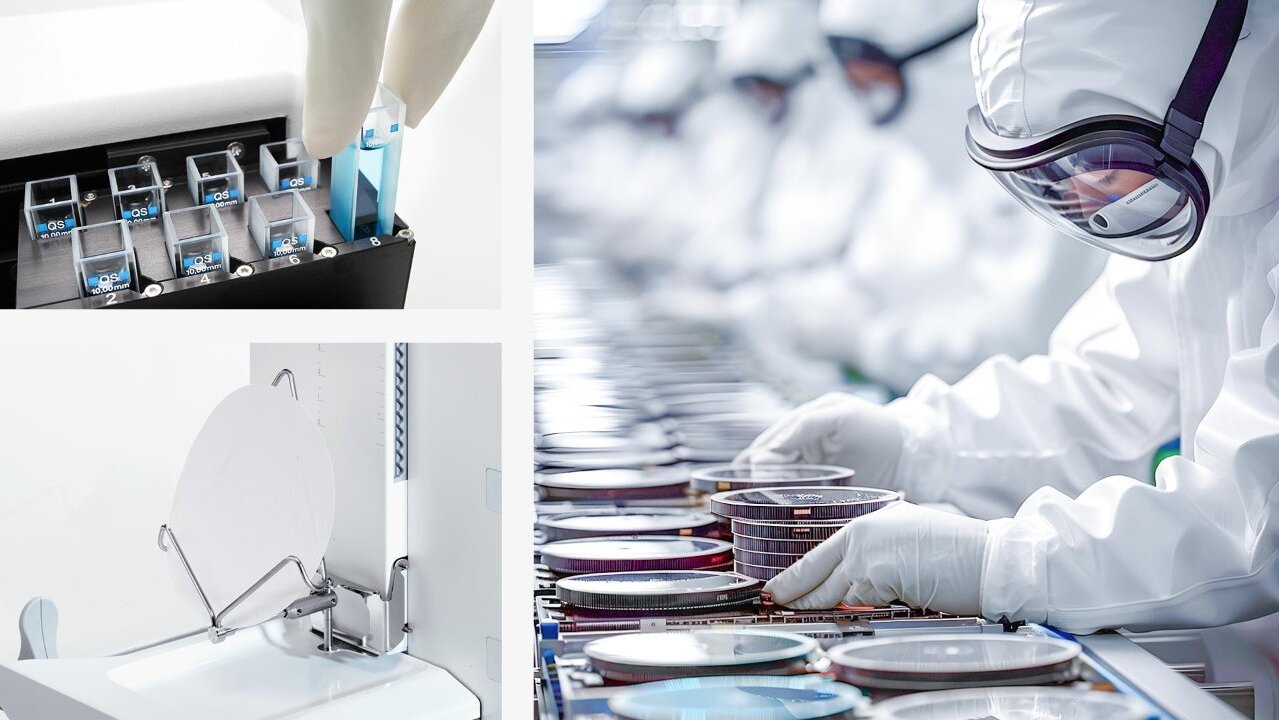
The semiconductor manufacturing process falls into three primary phases: material innovation, front-end processes, and back-end processes. Each of these phases requires meticulous attention to detail and rigorous quality control practices to ensure that the final product meets the industry's stringent standards.
1. Materials Innovation
At the forefront of semiconductor development is the quest for new materials like Gallium Nitride (GaN) and Silicon Carbide (SiC). Accurately characterizing these materials ensures they meet performance and efficiency requirements. Laboratory instruments play a vital role in this stage, helping to assess thermal stability and the purity of materials through techniques such as thermal analysis and spectroscopy.
2. Importance of Quality Control
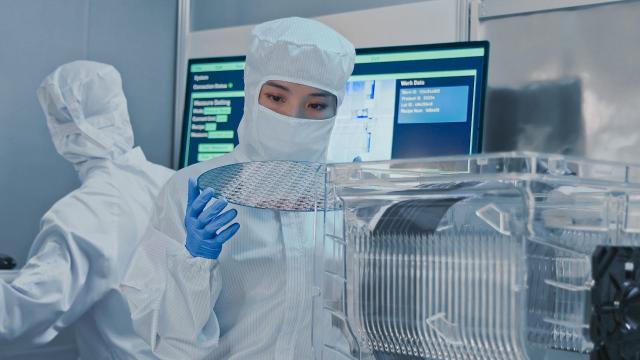
Quality control is a fundamental aspect of semiconductor manufacturing. Continuous monitoring and assessment throughout the manufacturing process are necessary to maintain high standards. Key practices involved in quality control include:
Process monitoring: Throughout the front-end and back-end processes, various parameters such as temperature, humidity, moisture content, and chemical concentrations are monitored. Maintaining optimal conditions is essential for achieving consistent quality.
Quality assurance practices: A comprehensive quality assurance practice involves establishing protocols for precise measurement and documentation to guarantee that all materials and processes conform to stringent quality benchmarks.