Weighing Diamonds and Gemstones

Learn How to Best Weigh Diamonds

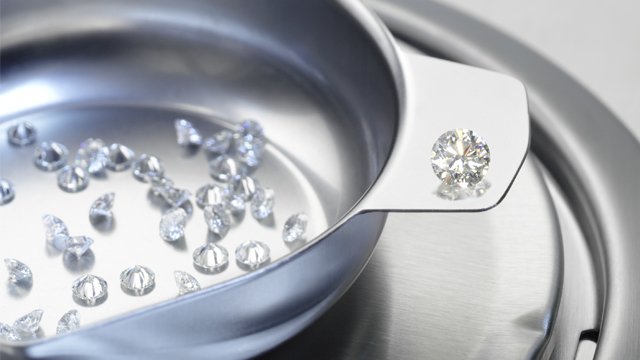
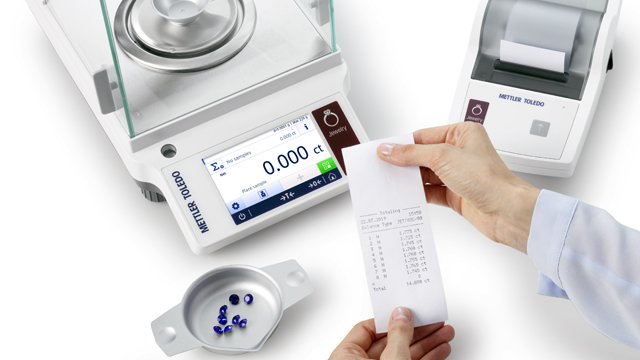
Weighing diamonds, gemstones, and precious stones requires an accurate, reliable carat scale. Read further to learn more about diamond weighing applications and how to avoid errors when weighing diamonds and other gemstones.

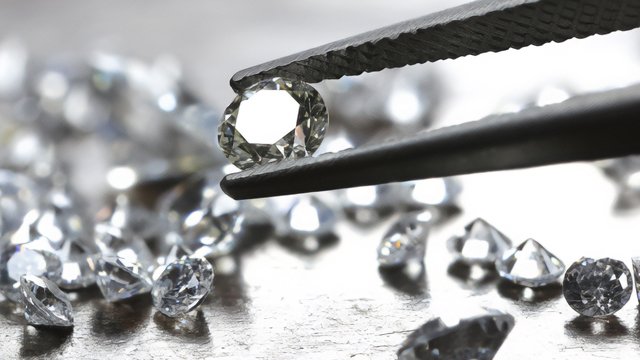
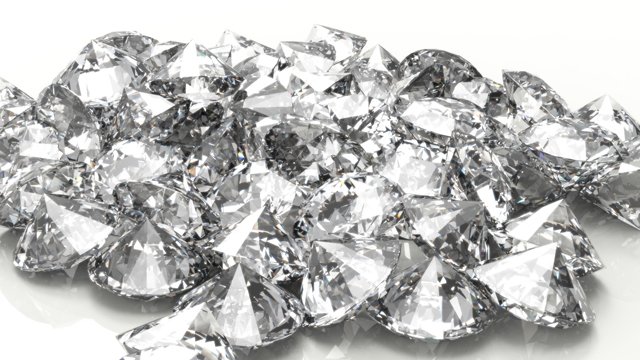
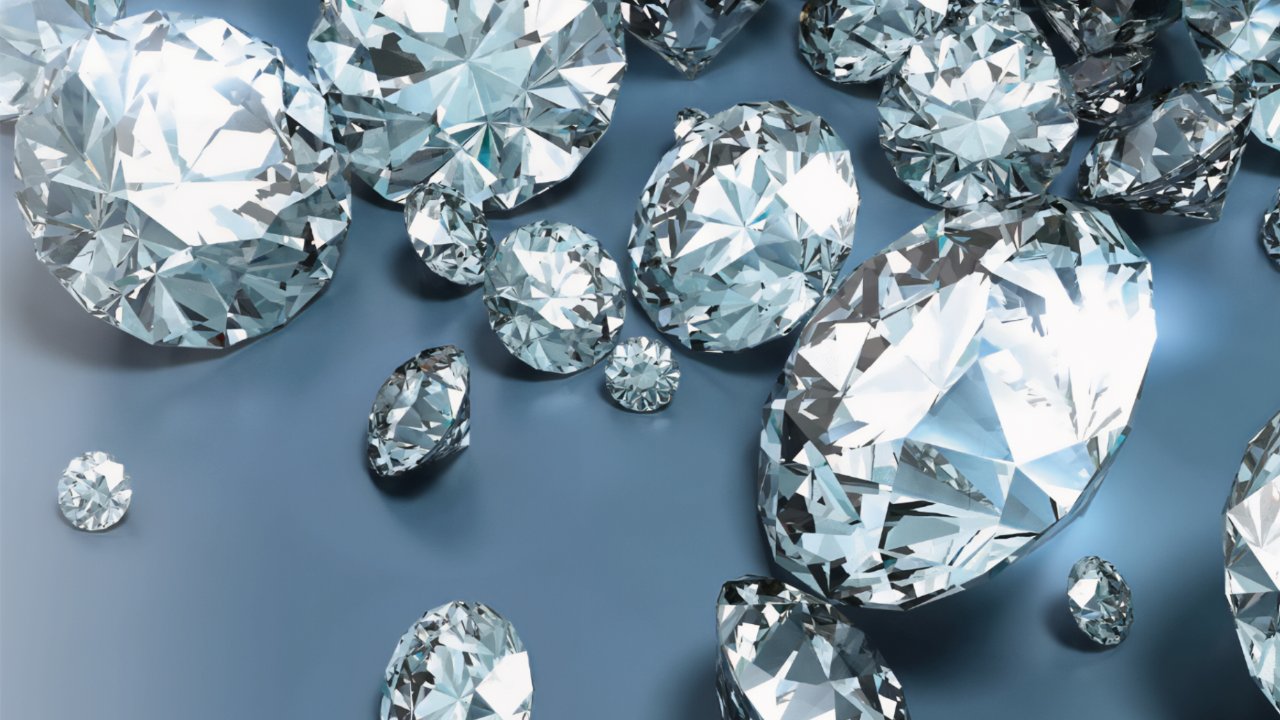
Diamonds are cherished for their brilliance and sparkle, and the way that they disperse light into all the colors of the rainbow. Diamonds are a popular choice for jewelry and for engagement rings in particular, a tradition that dates back to the 15th century when Archduke Maximillian of Austria gave a diamond engagement ring to Mary of Burgundy. The rarity of high-quality diamonds suitable for jewelry purposes adds to their value and desirability.

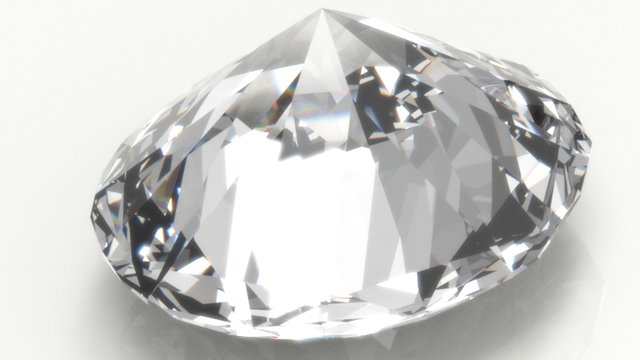
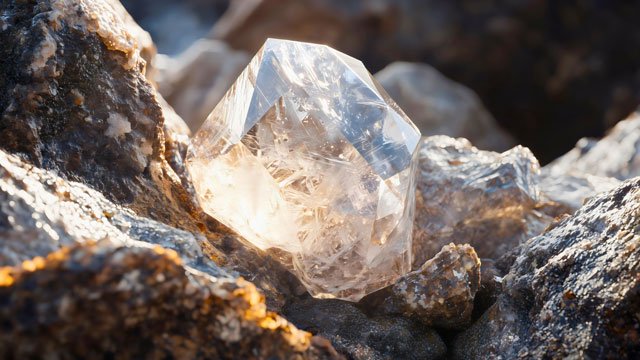
Diamonds are a form of carbon in an extremely rigid crystal structure. Over a billion years ago, hundreds of kilometers below the earth's surface, the extreme pressure converted carbon to diamond. Millions of years later, volcanic eruptions brought the diamonds closer to the earth's surface from where they are now mined in various parts of the world. Such rough diamonds are cut and polished to produce the prized glittering stones that are used for jewelry.

Diamonds are the hardest known naturally occurring substance and cutting diamonds requires highly skilled craftspeople. The crystal structure of a rough diamond must be carefully assessed in order to make the right cuts to create a diamond that is the perfect shape and size to fit its intended purpose. The hardness also makes the polishing process extremely slow.

The most valuable diamonds are colorless and have no faults (also known as inclusions). As diamonds were being created, the presence of nitrogen gave some diamonds a yellow tint; a blue tint is caused by the presence of boron. The quality, and therefore the value, of a diamond, is graded on a scale known as the '4 Cs': Color, Clarity, Cut, and Carat. Carat (ct) is the unit of weight for diamonds; 1 carat is equivalent to 200 mg. Due to their size and value, weighing diamonds requires a highly accurate diamond scale. 

Gemstones such as rubies, emeralds, and sapphires are produced in the same way as diamonds, and the 4Cs grading scale can also be used to assess their quality. In addition, hue, saturation, and tone are further important considerations of the color.
The Diamond Industry: Mining, Trading, and Weighing with Precision

Diamond Scales | Choose Professional Carat Scales Now!

Diamond Scales

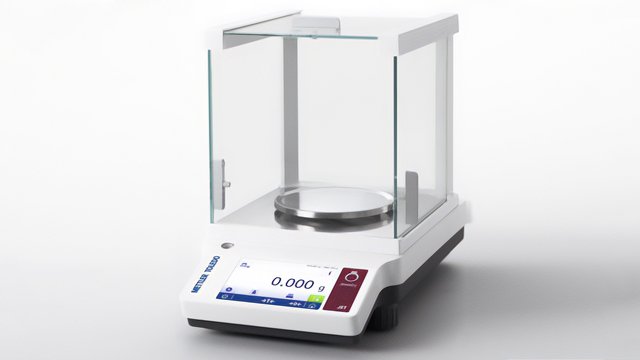
Our diamond scales and carat scales offer unparalleled precision for weighing precious gemstones. With high-quality materials, overload protection, and smart features, our scales ensure reliable and convenient performance. Plus, our battery-operat...

See full description
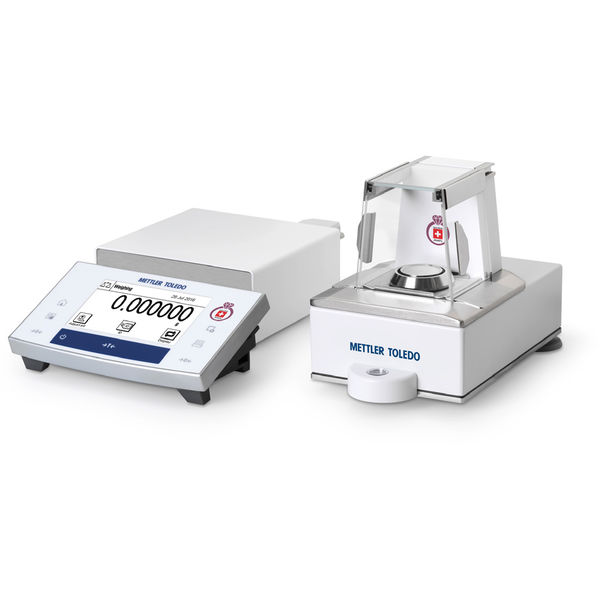
Weigh Module WXTJ3DU

Weigh Module WXTJ3DU

Precise weighing for your smallest jewelry samples. 1.2 / 3.2 g capacity, 0.001 / 0.01 mg readability, high resolution weighing cell, touchscreen, FACT fully automatic internal adjustment, practical size.

Diamonds: Processing, Quality Scale and Identity Verification

Weighing Diamonds - Challanges and Solutions

Diamond Weighing Know-How

What is the difference between carat in gold weighing and carat in diamond weighing?

In relation to gold, carat, sometimes spelled karat, (k) is a measure of the purity of the gold. In relation to diamonds, carat (ct) is a unit of weight; 1 carat equals 200 milligrams.

What readability do I need for weighing diamonds?

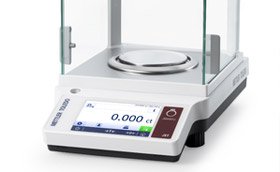
In general, diamonds are weighed in carats to 3 decimal places so the readability required is 0.001 ct. For very small diamonds, a scale with a higher readability such as 5 decimal places, or even a microbalance with 6 decimal places may be required. METTLER TOLEDO's JET and JE carat balances offer the additional benefit of weighing to 4 decimal places in grams.

During my diamond weighing processes, it sometimes takes a while to get the weighing result. How can I get faster results?

Make sure your carat balance is located away from windows and air conditioning units that could be causing air drafts. Also, try to avoid places with high people traffic. Air drafts can affect the weighing cell of the scale and prevent it from settling. Make sure your scale is on a solid table or countertop so that any vibrations are kept to a minimum. It helps if the scale has a robust, solid construction so that it is less affected by such external influences.

Is calibration needed when weighing diamonds?

When weighing diamonds, periodic calibration is necessary to ensure ongoing accurate and reliable results. Calibrating your diamond weighing instrument will ensure that it reaches standards such as ISO, GMP/GMP, IFS and BRC. Documented calibration procedures verify the quality of measurements, and should be performed regularly throughout the balance’s lifetime. Calibration should not be confused with adjustment and must be repeated after adjustment/repairs.

Can I connect my carat scale to our internal network?

JET carat scales have 3 interface ports - USB host, USB device and RS232 - and are easy to connect to an internal network via the built-in PC Direct function. In addition, JET carat scales offer Bluetooth connection via the optional Bluetooth adapter.

How do I clean my carat scale?

METTLER TOLEDO carat scales are made from high-quality, chemically resistant materials and can therefore be cleaned with a commercially available, mild cleaning agent and a damp cloth or soft paper tissue. Use common cleaning agents such as 70% ethanol or isopropanol, or mild detergents. The weighing pan and balance base are made of stainless steel that is robust and chemically resistant, with the exception that it is not compatible with strong acids. Acetone should not be used, even for highly sticky substances, as it is not compatible with plastic handles, glued parts or the screen.

For more information on cleaning your carat scale, download our free cleaning guide.

I have heard about 'blood diamonds', but what does that mean?

Blood diamonds, sometimes referred to as 'conflict diamonds', are diamonds that have been traded to provide funds for war. The Kimberley Process Certification Scheme (KPCS) was set up following a meeting in Kimberley, South Africa involving South African diamond producers who wanted to find a way to eliminate the trade in conflict diamonds. The KPCS requires that the member countries in the scheme certify that their diamonds are conflict free. Members are also required to implement legislation for the export, import and internal control of diamonds. Members are only able to trade with other members. The Kimberley Process states that 99.8% of the trade in conflict diamonds is prevented through the actions of its members. The certificate that accompanies the purchase of a diamond by a member of the public should include KP certification.

I want to…
Need assistance?
Our team is here to achieve your goals! Speak with our experts.