The World Health Organization (WHO) considers clean air "to be a basic requirement of human health and well-being" and provides guidelines for selected pollutants which are applicable across all WHO regions.
Emission standards set quantitative limits on the permissible amount of specific air pollutants that may be released from specific sources over specific timeframes.
In the U.S., CFR 40 Part 50 is part of the United States Code of Federal Regulations and concerns national air quality standards. It is regularly updated by the Environmental Protection Agency (EPA) to reflect changes in air quality standards and regulations. The Occupational Safety and Health Administration (OSHA), part of the United States Department of Labor, published regulations (Standards – 29 CFR) concerning air quality, and the National Institute for Occupational Safety and Health (NIOSH) is also concerned with promoting safety and health at work.
The European Union sets legislation in the form of DIRECTIVE 2024/2881 on ambient air quality and cleaner air for Europe; DIRECTIVE 2010/75/EU concerns integrated pollution prevention and control; and DIRECTIVE 89/654/EEC specifies the minimum health and safety requirements for the workplace.
The automotive sector is a key source of a variety of air pollutants including carbon monoxide (CO), hydrocarbons (HC), nitrogen oxides (NOx), particulate matter (PM), as well as greenhouse gases (GHG). In both the European Union and in the United States, legislation exists to control emissions from motor vehicles and motor vehicle manufacturers are obligated to carry out emissions tests.
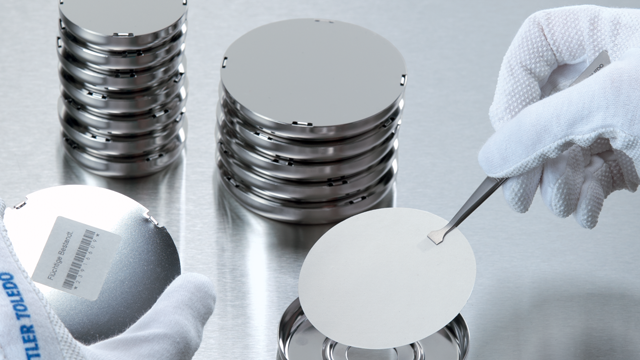
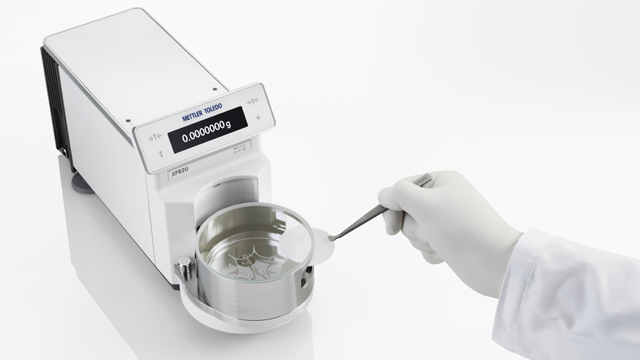
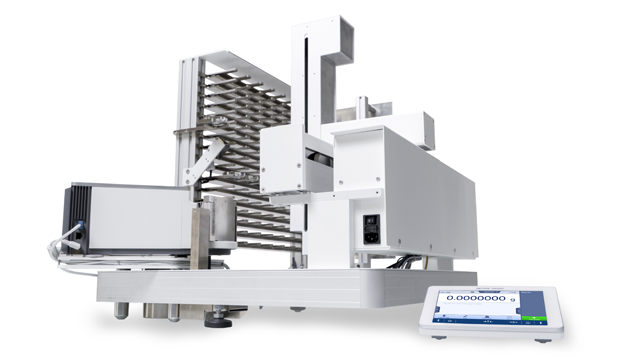
There are many methods and guidelines for testing emissions and particulate matter concentration. One of them is the gravimetric filter weighing method. Guidelines and regulations define the procedures to ensure accurate, reproducible filtering of emissions, and specify which filters should be used and which weighing system to use for the measurement as shown in the table below.