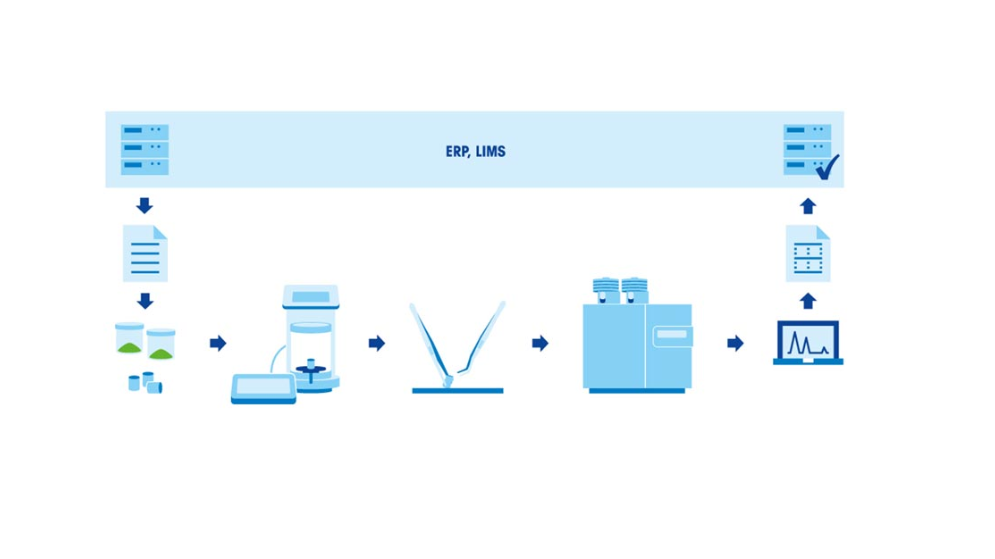
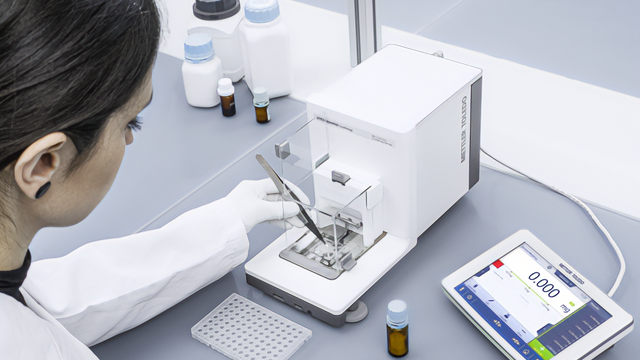
How to Perform Elemental Analysis? Typical Procedure & Know-How

The Challenges and Solutions in Elemental Analysis

Explore More Content

Frequently Asked Questions

Can accuracy be improved by increasing the sample size? Wouldn't the larger sample produce bigger signals in the elemental analyzer?

It is possible to increase the size of the sample but there are restrictions because the supply of oxygen for the combustion process is limited. For samples with a low carbon content (30-40%) that combust easily, the sample size can be increased to 10 mg. In CHNS analyses for quantifying unknown substances, it is advisable to use less than 3 mg. When it is not known how combustible the sample is, it is good practice to run two analyses at different weights (e.g. 1 mg and 3 mg). If combustion difficulties are encountered, the combustion conditions must be optimized. Macro elemental analyzers can take 1 g samples but this requires greater amounts of oxygen and larger reduction tubes. The amount of ash generated is also increased.

Which balance is the best for CHNS analysis?

Since the elements may only be present at levels of 10% or less, it is essential to use an accurate balance to correctly quantify the ratio of the elements in the sample. Typical sample sizes are 2-5 mg. Furthermore, the ideal balance depends on the nature of the sample, the accuracy required and the elemental analyzer used. It's also worth noting that samples which are too large may have a negative impact on your elemental analyzer. METTLER TOLEDO's free GWP® Recommendation service can help you select the right balance according to your specific process accuracy requirements. The service can also be used to determine if your existing balance is fit for purpose.

How can I find out what the safe weighing range of my balance for organic elemental analysis is?

The safe weighing range of your balance defines an upper and lower limit for weighing in which the weighing results meet the accuracy requirements of your application. Weighing results can only be accurate and reliable if you are weighing in the safe weighing range. While the upper limit is the capacity of the balance, the lower limit is determined from the balance minimum weight and the application of a safety factor in accordance with your accuracy requirements (process tolerances). Our free guide “Safe Weighing Range Ensures Accurate Results” explains the science behind safe weighing and describes how you can determine the safe weighing range of your balance in three easy steps.

I do elemental analysis for our pharmaceutical products. Traceability is very important. How can I ensure it?

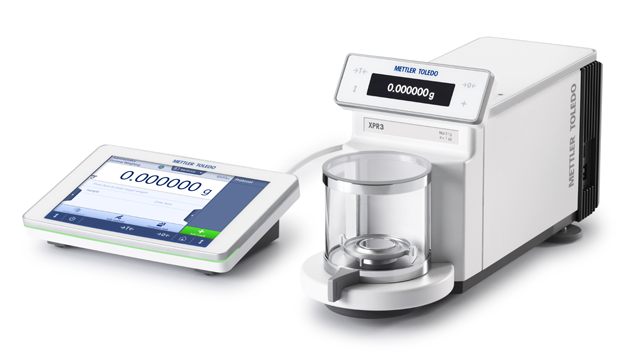
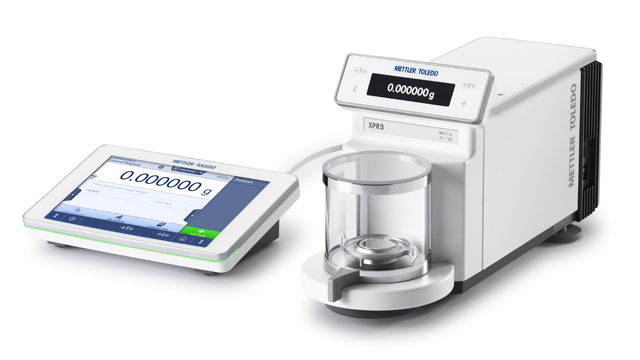
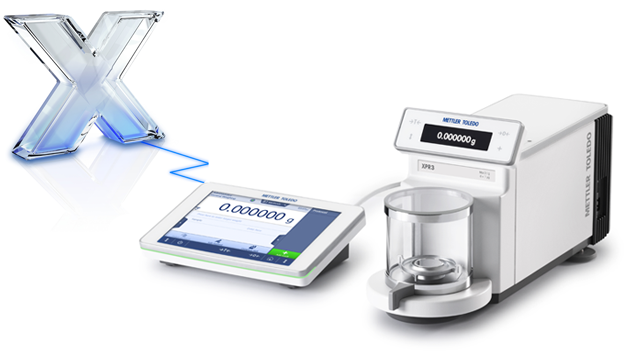
XPR microbalances feature the unique results notepad. At the touch of a button, results are saved on the notepad and can be printed out or transferred to a PC. Connect your XPR microbalance to LabX® software for the ultimate in data security. LabX saves all results and process information automatically in a secure, centralized database. Results are easily accessed at any time to print reports or for further analysis.

How can I speed up the sample preparation process?

Automated results recording and documentation significantly reduces the time taken to prepare samples. Consider connecting your balance to a printer or a PC to record the results electronically rather than writing results down by hand. Electronic data transfer eliminates transcription errors. By connecting your balance to LabX®, all data and calculations will be taken care of automatically in the background. Step-by-step user guidance on the balance display will ensure you always know where you are in the sample preparation process.

XPR microbalances have Active Temperature Control (ATC) which provides a stable environment for the weighing cell, meaning you get results delivered faster. Automated draft shield doors avoid the need to keep opening and closing the doors during weighing processes; this saves time and is much more ergonomic.

It takes so long to write down all the weight values. Can you suggest a better solution?

Recording results manually is time intensive and prone to error, especially when results may be 6 or 7 digits long. Connect your balance to a PC to eliminate writing results down by hand. By connecting your balance to LabX Balance software, all weighing results are collected, stored and processed electronically.

I think I have an issue with electrostatic charging as my samples get scattered all over my balance. What can I do?

Electrostatic charging is one of the largest hidden sources of weighing errors. When powders scatter over the balance, this is a strong indication that there is an issue with electrostatic charging. Other indications may be a balance doesn't settle or a results value that slowly drifts. To resolve the issue, place an ionizing unit next to your microbalance. Pass your containers and sample through the ionizer as you place them on the balance.

Accessories for Elimination of Electrostatic Charge

I want to…
Need assistance?
Our team is here to achieve your goals! Speak with our experts.